Joint release with Grata and Australian Lawyers for Remote Aboriginal Rights (ALRAR)
Housing Minister Edgington’s proposed amendment to the Housing Act removing the right for tenants to have a say in the determining of rents is a disingenuous response to the High Court’s December ruling, and undermines the Closing the Gap goal of shared decision-making.
In December 2025, the High Court deemed the Remote Rent Framework unlawful, primarily on the basis of the NT Government’s failure to consult communities impacted by the model. Today, Minister Edgington introduced an amendment to the Housing Act that removes the right for communities impacted by a new model to be meaningfully consulted.
The NT Government’s amendment fails to engage with the substance and principle of the High Court’s ruling, which made clear the NT Government had a legal obligation to consult impacted communities meaningfully.
The majority of public tenants in remote areas in the Northern Territory are First Nations people. The removal of any obligation to consult with First Nations tenants before making determinations to increase their rent is a major step away from self-determination in Northern Territory housing policy. Australia's national Closing the Gap agreement, through which the NT Government receives significant funding, recognises the importance of self-determination and shared decision-making, outlined in Priority Reform One.
Minister Edgington’s stated intention to continue remote rents at the same rate as those paid under the Remote Rent Framework is also deeply concerning, and will continue the financial distress for families that have seen some forced into homelessness.
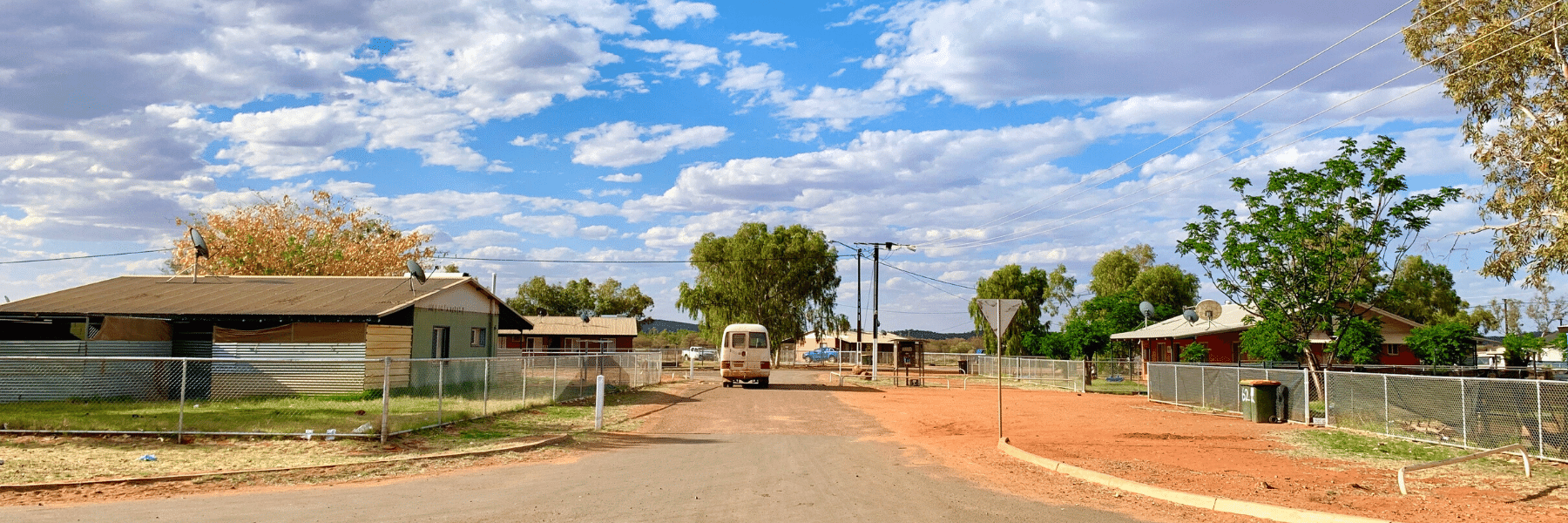
Rents under the previous framework were determined on the basis of a flawed logic, using the number of bedrooms as a test, instead of an income percentage similar to public housing rents in all other jurisdictions in Australia. The Framework saw rent increases up to 200% for 68% of remote First Nations tenants in the NT, with over 5,000 homes impacted in total [1].
The Department is rushing this new legislation through the Legislative Assembly, despite having known that the Remote Rent Framework was unlawful since December last year, when the High Court’s judgment was issued.
The Northern Territory currently has a homelessness rate of 12 times the national average, and faces the nation’s worst rates of housing stress [3]. It also remains the worst performing state on Closing the Gap housing targets, with more than half its population of First Nations people living in inappropriately sized, overcrowded rental homes [4].
The High Court challenge which invalidated the Remote Rent Framework was brought by Asher Badari, Ricane Galaminda and Lofty Nadjamerrek from Gunbalanya, along with Laramba woman Carmelena Tilmouth, whose communities were subject to steep rent hikes as a result of the model.
The plaintiffs were represented by Australian Lawyers for Remote Aboriginal Rights (ALRAR), and barrister Matthew Albert. Grata provided media support and financial backing.
Daniel Kelly, Lead Solicitor at ALRAR, said:
“Minister Edgington promised stakeholder consultation on the new rent model, then proposed stripping impacted communities of the right to have a say shortly after. So who exactly are these ‘stakeholders’?
“The NT Government has made it clear it isn’t serious about listening to First Nations people affected by rent hikes. Its proposal directly contradicts its Closing the Gap commitments, which emphasise partnership and shared decision-making.
“Keeping rents at the same unaffordable levels as the previous mode which hiked rents by up to 200%, as suggested by Minister Edgington, is unjustified and will push more families into financial distress.”
“We will continue to work with communities to hold the NT Government accountable to the law.
Daniel Kelly is available for comment. Contact Madeleine Burkitt at [email protected] or on 0435045516.
[1] Badari v Minister for Housing and Homelands, 2025, D1/2025, paragraph 11
[2] Badari v Minister for Housing and Homelands, 2025, D1/2025, paragraph 2
[3]According to NT Shelter, UNSW Housing Needs Dashboard
[4] Australian Government Productivity Commission